Engine Swap Compatibility: Can I Swap a Different Engine Code Into the Same Model?
Top summary answer
Short answer: yes — swapping a different engine code into the same model is possible, but engine swap compatibility is decided by three things: the mount-and-bellhousing pattern, the electronics, and emissions law. Same-family swaps between code revisions are usually manageable; cross-family swaps become engineering projects with real budgets. This guide walks the whole scale, in plain terms.
Can I swap a different engine code into the same model — short answer?
Yes — the same model can take a different engine code, but whether the swap is sane depends on engine swap compatibility: the mount-and-bellhousing pattern, the electronics, and emissions law. Same-family revisions are close to bolt-in; different families become engineering projects with proportional budgets.
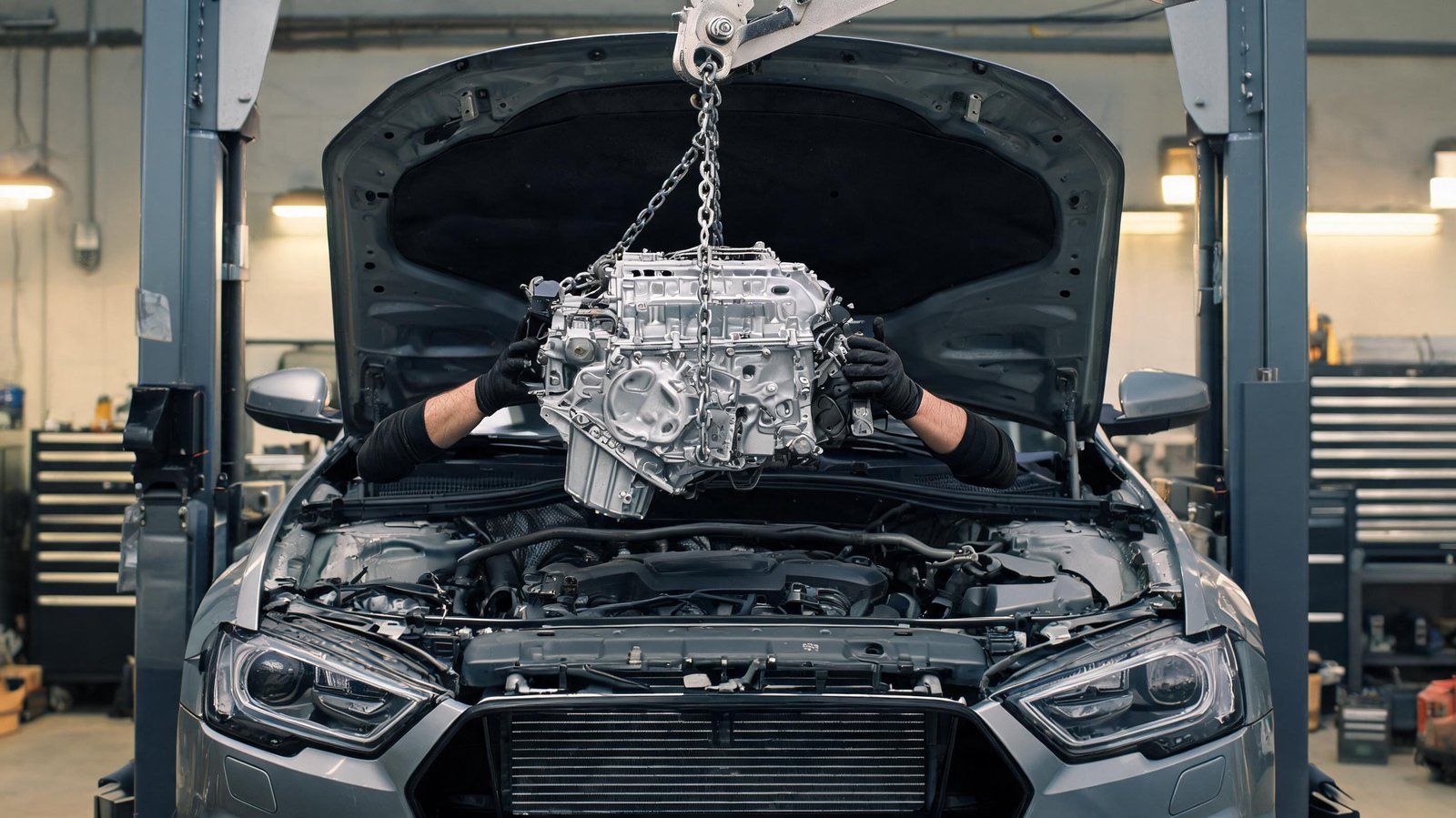
This is one of the classic questions our fitment desk hears — can you put a different engine in the same car? 'Different engine same car' is that question in four words — and engine swap compatibility is its answer. And the answer has a shape: manufacturers themselves put several engine codes into one model line, so the body and subframe were designed around more than one drivetrain. The question is not whether the bay can take an engine — it is which engine, with how much everything else has to change.
The honest scale runs from 'an afternoon' to 'a winter project'. An engine code swap between revisions of one family — a B48 to a B48B, an EcoBoost generation update — often bolts to the same points with modest parts changes. A cross-family swap — four-cylinder to V8, diesel to gas — means mounts, harness, ECU, cooling, exhaust and emissions paperwork all move as one bundle. Both ends are real; only the second end has a comma in the price.
This guide gives you the decision order the desk uses: footprint first, electronics second, legality third, price last. Run those checks honestly and you will know within a day whether your swap is a project or a fantasy.
- Possible — same model, different code happens from the factory
- Decided by three checks: mounts, electronics, emissions
- Same-family revisions: usually manageable; cross-family: full project
- Run the checks before pricing anything
Who is this guide for?
Anyone weighing a swap: owners whose exact code is scarce or expensive, enthusiasts chasing an upgrade the factory offered, shops quoting conversion work, and buyers eyeing a vehicle whose original engine was already changed.
The money moment is different for each. An owner finds their exact code rare and wonders whether the next code over will do. An enthusiast wants the optional engine the same model shipped with in a higher trim. A shop gets asked for a quote it does not want to regret. And a used-car buyer opens the hood on a car whose block tells a different story than the VIN — the swap question in reverse.
All four cases run on the same three checks, and all four end better when the checks happen on paper before they happen in the bay. That is what this guide is for — the sequence, the traps, and the realistic cost bands.
- Owners facing a scarce or costly original code
- Enthusiasts upgrading to a factory-offered alternative
- Shops quoting conversion and restomod work
- Buyers verifying a car whose engine was already swapped
What does engine swap compatibility actually mean?
It means three systems agreeing at once: mechanical fit (mounts, bellhousing, accessories), electronic fit (harness, ECU, immobilizer, communication), and legal fit (emissions equipment and certification). All three passed, the swap is a swap; any one failed, it is a project.
Mechanical fit is the visible half — where the engine hangs from, what it bolts to at the back, and what accessory drives live on the front. Electronic fit is the invisible half: engine management, harness pinouts, and the security system that decides whether the car starts at all. Legal fit is the half people discover last, usually at inspection: engines subject to emissions rules carry obligations about what may replace what.
Think of it as a three-legged stool. Our desk refuses to quote a swap until each leg is answered, because every failed leg turns into exactly the same thing — the engine getting removed again. The next sections walk through each leg in the order we check them.
- Mechanical: mounts, bellhousing, accessories, cooling, exhaust
- Electronic: harness, ECU strategy, immobilizer, module communication
- Legal: emissions equipment and the certification story
- All three agree — or the budget starts growing legs
Same family, different code — is that the easy end of the scale?
Revisions within one family are the friendliest swaps: the block shares its mounting points, the harness connectors usually survive, and the legal story stays like-for-like. This is where most successful swaps actually live.
An engine code swap inside a family means the engineers already did the hard work — the B48 family fits where its members fit, an EcoBoost generation update keeps the architecture, a Coyote revision hangs from the same front structure. What changes are the details: a bracket revision, a relocated sensor, a cover that needs its matching intake. Those are parts-list problems, not fabrication problems.
One honest warning: 'same family' is not 'identical'. Suffix revisions can move pieces that matter — a different oil pan shape, a changed mount boss, a sensor that speaks a slightly different language to the ECU. The check is the same as always: compare the two codes' fitment notes against your VIN, and let the desk confirm before anything ships. When in doubt, our guide to what an engine code actually names walks through how revisions differ. If you have not decoded that VIN yet, our VIN engine identification guide walks the whole routine in five minutes.
- Same mounting points and similar harness logic
- Changes are usually brackets, sensors, covers — parts-list scale
- Still check fitment notes: revisions move details
- This is where most swaps succeed — and stay affordable
What changes when the engine family changes?
Everything that touches the engine participates: mounts, bellhousing, harness, ECU, cooling, fuel, exhaust, and the emissions narrative. Cross-family swaps are build projects where the engine is only the starting line item.
Going from one family to another — inline-four to V6, V6 to V8, gas to diesel — takes you from parts-list territory into integration work. The bay may physically accept the block and often does; the trouble lives in the interfaces. Weight and torque change what the subframe, springs and brakes are dealing with. Cooling demands change the radiator and fan strategy. Fuel systems change pressure, lines and tanks. Every one of those hand-offs needs a decision, a part, and a line in the budget.
None of this makes cross-family swaps wrong — they are the heart of the restomod world and plenty of factory-optional upgrades. It makes them projects. The desk treats them exactly that way: the engine gets quoted only after the integration list has a shape.
| System | Same family, different code | Different family swap |
|---|---|---|
| Engine mounts | Typically shared or a bracket revision | Custom or adaptor mounts, welding often involved |
| Bellhousing / flywheel | Usually matches the original gearbox | Adaptor plates, flexplate changes, or a different transmission |
| Wiring harness | Connectors often survive; a few repins | Full harness work — custom loom or standalone ECU |
| ECU strategy | Recalibration or module swap | Different engine management entirely, immobilizer work |
| Cooling & fuel | Existing hardware usually adequate | Radiator, fans, lines, pump strategy all revisited |
| Emissions story | Like-for-like documentation | Certification path to research before purchase |
What does the swap do to mounts and bellhousing patterns?
Mounts decide whether the engine hangs where the frame expects — and the bellhousing pattern decides whether it drives the gearbox you own. Both are measurable in minutes with the two engines side by side, and both are the first reason swaps stall.
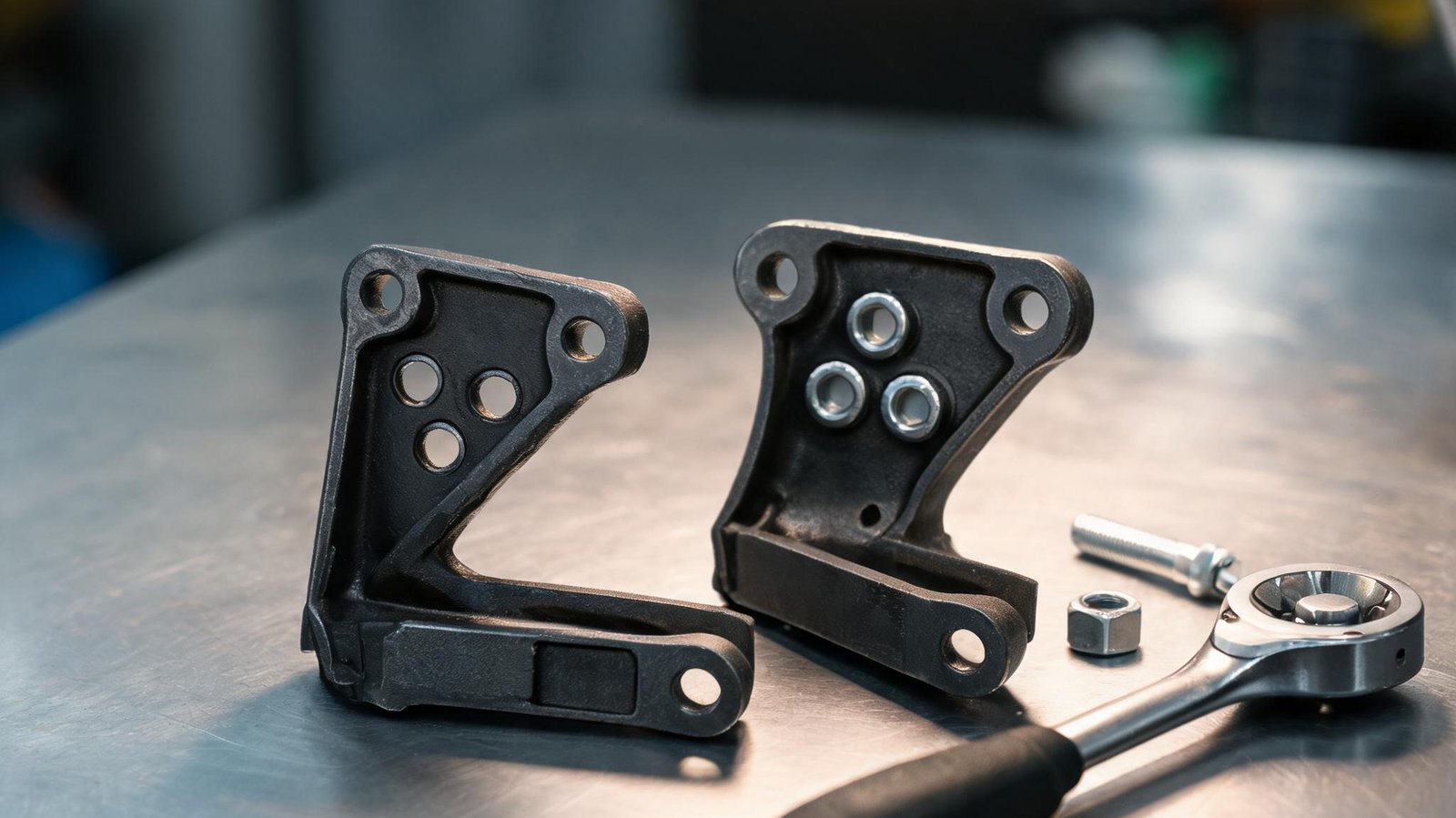
The mountain of a swap is often a bracket. Engine mount geometry is remarkably specific: the bosses cast into a block sit exactly where a chassis was designed for them, and a different family means different bosses in different places. Sometimes the answer is a factory bracket from the donor application that happens to fit the frame; sometimes it is an aftermarket mount kit; sometimes it is fabrication, and fabrication has its own cost band.
The bellhousing is the same story told backwards. The gearbox bolts to a pattern, and the pattern follows the family. Staying inside the family keeps your transmission matched; crossing families usually means an adaptor plate, a different flywheel or flexplate, or — often the cleanest answer — a complete engine-and-transmission pair that originally lived together. We cover the transmission side of that decision on the desk every week.
- Compare mount bosses and bracket part numbers first
- Bellhousing pattern + flywheel depth decide the gearbox question
- Engine-and-transmission pairs remove the adaptor guesswork
- Fabrication is a legitimate answer — with its own budget
Why is the wiring harness the hard part?
Because engines talk to cars through they-wire-specific systems — sensors, actuators, and a computer expecting certain signals. A different family speaks differently, so either the harness learns to translate or the engine gets its own management.
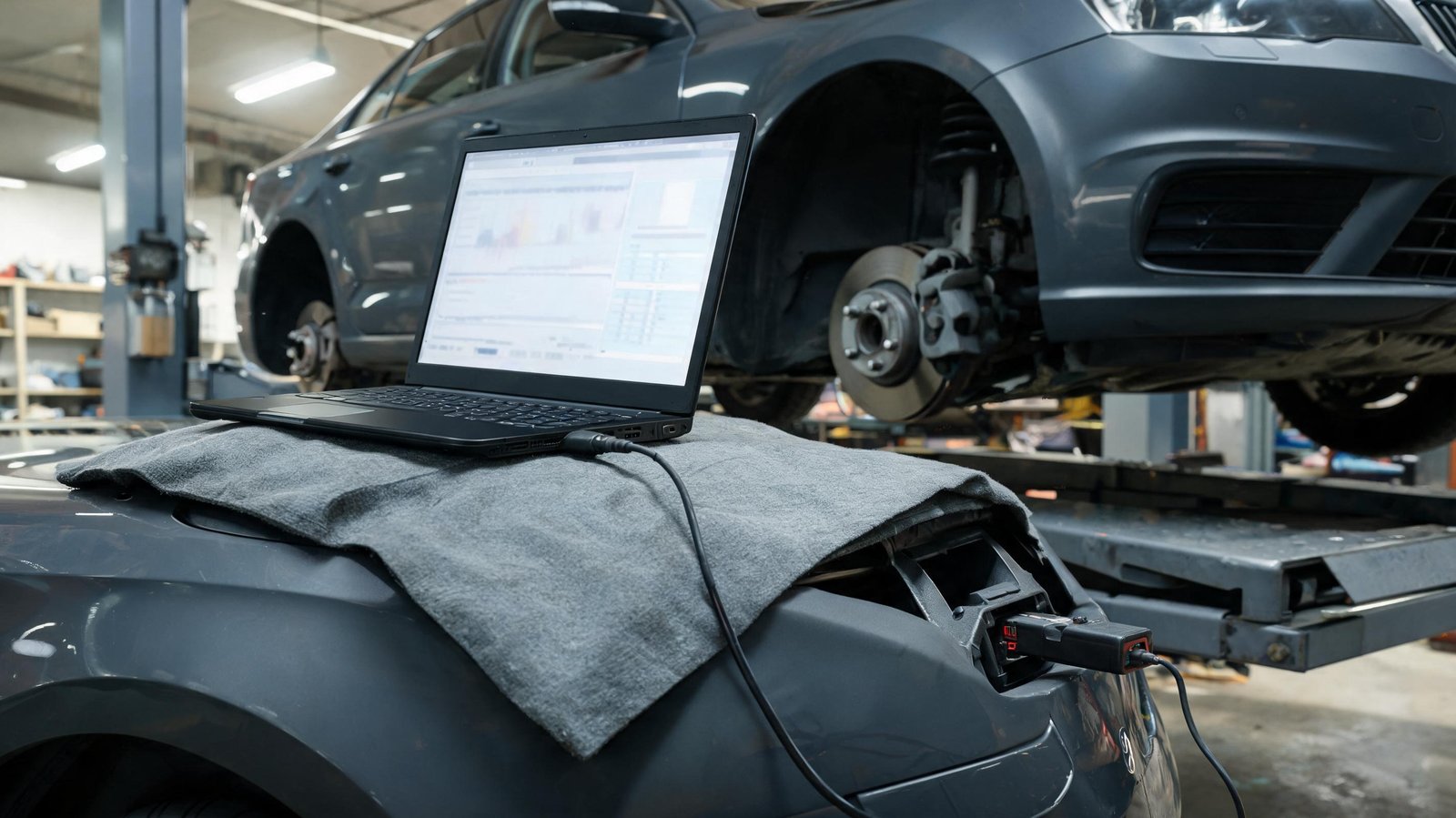
Mechanically, a swap can look finished at the mounts and still go nowhere: the new engine's sensors connect to a harness designed for the old one, and the ECU begins its long career of fault codes. The fixes are standard in the trade — repinning connectors, grafting sections of the donor harness, or stepping all the way to a standalone engine management system that ignores the factory computer entirely. Each step adds cost and skill requirements, and each is chosen by what the car must still do: pass inspection, run the dashboard, keep the security system happy.
The desk's rule of thumb: if both engines belong to one family, budget repinning; if they do not, budget a plan for the whole electrical conversation. That plan is the single biggest swing factor between a $2,000 swap and a $10,000 swap — bigger than the price of the engine itself.
ECU and immobilizer: what has to be programmed?
Expect module work at the end of any swap: the ECU must run the new engine's calibration, and the immobilizer security system must accept the arrangement — or be professionally bypassed where lawful. Nothing about this part is optional; the car either starts or it does not.
Three endings are common. In the friendliest case, the ECU is reflashed or replaced with one already matched to the new family, the immobilizer is taught the new module, and the car behaves factory-like. In the middle case, a standalone ECU takes over engine management while the factory modules keep running the cabin — more tuning freedom, more wiring. The third case is the cautionary one: mismatched modules that half-talk to each other, dashboards full of lights, and a vehicle that never quite settles.
Programming is usually the smallest line in the budget and the largest risk of sequencing. Get it planned before the engine goes in, not after, because the order of operations — adaptor, harness, module, security — is what keeps the final week of a swap from becoming the tenth week.
Is the swap legal? What do emissions rules require?
For vehicles subject to emissions rules, the short version is this: keep the emissions equipment, and use an engine the same age or newer than the vehicle it goes into — matching or exceeding the original standards for the application. Details vary by state and by vehicle class; California runs the strictest regime.
The rule structure to know: federal rules govern the replacement of engines and forbid tampering with emissions systems, with an exemption pathway for new replacement engines certified to the same or later model year (40 CFR 1068.240). Conversion and engine-change projects add a certification conversation — federal or California certificates of conformity are the recognized path for vehicles that need one (AFDC conversion regulations). Emissions controls also explain why 'helpful' deletes are never helpful: removing testing hardware is the part that turns a swap into a violation.
In practice, the desk's advice for a street-driven swap is conservative: choose a same-or-newer engine, keep every emissions component the new engine shipped with (evaporative system included), and ask about inspections before the first bolt moves — not after. Off-road and race projects live outside this frame, but they also never see a public road.
| Scenario | What the rules expect | Practical note |
|---|---|---|
| Like-for-like replacement (same family, same config) | Emissions equipment preserved; no certification drama | The routine case — what our quotes are built around |
| Same or newer certified engine, same configuration | Recognized replacement path with exemptions | Keep the emissions hardware the new engine came with |
| Different-family engine into an on-road vehicle | Certification conversation; equipment and age rules apply | Plan this before buying the engine — it can veto the project |
| Off-road / racing use only | Outside on-road rules | Never registered for street use — different world |
What about the transmission when you swap engines?
Two questions decide it: does the new engine bolt to your gearbox (bellhousing pattern), and will the gearbox survive the new engine's torque? Inside a family you usually keep both answers; across families you usually change the answer to both.
Torque headroom matters as much as bolt patterns. A transmission sized for a four-cylinder's output will not enjoy a V8's twist for long; the factory itself pairs larger engines with larger gearboxes in the same body for exactly this reason. When the swap crosses into more powerful territory, the honest budget includes a transmission decision — adaptor and original box, or a replacement pair that started life together.
That is also why the cleanest swap units we supply are matched pairs: an engine and its intended transmission, documented together, so the bellhousing question never becomes a fabrication question. A used Ford F-150 transmission for sale mated to its original engine family tells a simpler story than an adaptor ever will — and the same logic runs through every row of the transmission catalogue.
When is a swap clearly worth it — and when is it a trap?
Worth it: a factory-offered variant upgrade, a same-family revision when your exact code is unobtainable, or a project with the electronics and emissions plan written down. A trap: chasing a $500 engine into a $6,000 integration, or crossing families on a car that must pass an inspection you have not researched.
The economics usually decide. If your original code is scarce and expensive and the next revision is common and cheap, a same-family swap can be the economical answer — and the fitment desk will tell you plainly when that is your case. If the appeal is character — more cylinders, a different soundtrack — then the honest frame is project economics, where the engine is a line item beside mounts, harness, cooling, programming and paperwork.
The trap version is always the same shape: a bargain engine that drags a full integration behind it. The cure is the same as well: run the three checks, write the integration list with prices, and let the total decide. If the total is still the answer you want, the swap is not a trap — it is a build.
- Worth it: factory-offered variant, same-family revision, planned integration
- Trap: cheap engine + unplanned cross-family integration
- Write the full list — mounts to paperwork — before buying
- Let the total, not the engine price, make the call
What does an engine swap actually cost?
Typical US ranges: used engines $1,200–$4,000, reconditioned $2,500–$5,500, remanufactured $3,500–$8,000. Same-family labour runs $400–$900; cross-family integration adds $1,500–$4,500 in labour, wiring and programming. The engine is usually the smallest line.
The arithmetic is why the desk quotes swaps in phases: engine first, integration second, only ever on paper until the phase above it is settled. And the ranges below are planning guidance from independent shops, not a quote for your project — every row moves with the specific codes involved, the shop's labour rate, and how much you are doing yourself.
One comparison worth carrying: like-for-like replacement of your original code stays under the same bands as any engine replacement — no integration layer at all. The moment a swap crosses families, the integration column becomes the story. Buy the story deliberately.
| Item | Typical range | Notes |
|---|---|---|
| Used engine (tested) | $1,200–$4,000 | Price spreads with demand and scarcity of the code |
| Reconditioned engine | $2,500–$5,500 | Worn service parts replaced |
| Remanufactured engine | $3,500–$8,000 | Rebuilt to specification — top tier |
| Removal & refit labour — same family | $400–$900 | Standard R&R plus minor adaptation |
| Cross-family integration labour | $1,500–$4,500 | Mounts, cooling, exhaust, fabrication time |
| Wiring & ECU / programming | $500–$2,500 | Repinning to full standalone management |
| Adaptor plate / mounts / flywheel | $300–$1,200 | Planning beats fabrication here |
| Emissions certification / inspection | $100–$300+ | Varies heavily by state and vehicle class |
What do we supply for swap projects?
Engines and transmissions matched to confirmed codes — including the factory-optional families that swaps usually chase — compression-tested on the bench and run-tested where the unit allows, with 9/16/36-month warranty tiers and free insured freight USA-wide in 12–16 working days.
The supply question in a swap is not just 'which engine' — it is 'which engine with which paperwork'. Every unit we ship leaves with its code confirmed and its fitment notes documented, so the person doing your integration starts from facts. Popular swap-family examples from our catalogue: the used BMW B48 engine for sale for same-family upgrades across the 2.0L line, the reconditioned 5.0 Coyote engine for sale for V8 conversions in Ford platforms, and the used L87 6.2L engine for sale for GM truck-family builds.
For gearboxes, the matched-transmission logic holds: a reconditioned Ford F-150 transmission for sale or a used Ford F-150 transmission for sale pairs the way the factory intended, and the same discipline runs across the engine code index — 120-plus codes, each with fitment notes and a real price after your fitment check.
- Compression-tested on the bench — run-tested where the unit allows
- 9/16/36 months warranty, whichever comes first — by condition tier
- Code confirmed AND VIN cross-checked before dispatch — every order
- Free insured freight, USA-wide, 12–16 working days
- Fitment desk, Mon–Sat 8AM–6PM — ask about swap pairings before you buy
What does A2Z Engines check before quoting a swap?
The same three checks, in the same order, every time: mechanical fit (mounts, bellhousing, accessory layout), electronic reality (harness and ECU path), and the legal frame (emissions and inspection expectations). Only then does the desk talk money.
The textbook case from this month: a customer with a worn four-cylinder wanted the V6 the same model offered two trims up. Mechanical fit checked out — the bay was factory-designed for both. The electronics were the catch: different engine management and a security system that would need module work. Because the check happened on paper, his quote listed the integration items explicitly and he went in with eyes open — and the install finished without a single surprise visit from the fault-code fairy.
That is the standard we hold: an honest map before a single line of pricing. If your project is same-family and simple, the desk will say so and the numbers stay flat. If it is cross-family, you leave the call knowing exactly which three systems need money — mounts, electrons, and paperwork.
- Send both codes — the engine in the car and the engine you are considering
- Mechanical check — mounts, bellhousing, accessory and cooling layout
- Electronic check — harness path, ECU strategy, immobilizer implications
- Legal check — emissions equipment and your state's inspection expectations
- Only then: the phase list and the numbers
What do these terms mean?
Plain-English definitions of the swap vocabulary, so the project conversation sounds fluent from the first phone call.
Engine Swap — Replacing the engine in a vehicle with one of a different design or code, as opposed to a like-for-like replacement of the original code.
Engine Swap Compatibility — Whether a given engine can go into a given vehicle across mechanical fit, electronics and legal requirements; the three-check frame this guide runs on.
Bellhousing — The cast housing between engine and transmission; its bolt pattern decides which gearboxes physically mate to an engine.
Wiring Harness — The vehicle's electrical nervous system; swaps either repin the original harness, graft the donor's, or move to standalone management.
ECU / PCM — The engine's computer; it must run the new engine's calibration and cooperate with the rest of the car.
Immobilizer — The anti-theft system linking key, modules and starter; swaps must satisfy it or use a lawful professional solution.
Adaptor Plate — A machined plate letting mismatched engine and transmission patterns bolt together; a legitimate tool with its own budget line.
Standalone ECU — Aftermarket engine management that runs the new engine independently of factory electronics; more freedom, more wiring.
Where do these figures come from, and where can I verify them?
The checks and ranges follow standard trade practice, federal emissions rules and the public resources below. You can verify the background yourself:
Ranges are typical US independent-workshop figures and our own condition and warranty tiers — planning guidance, not a quote for your vehicle. A2Z Engines is the trading brand of QB AUTOZ LLC, a Mississippi-registered supplier — the company record is on our about page.
- 40 CFR 1068.240 — Exempting new replacement engines — the federal rule text behind same-or-newer replacement engines
- AFDC — Conversion and tampering regulations — how conversions and certificates of conformity work in practice
- EPA vehicle and fuel emissions testing — the federal emissions framework, in plain pages
- NHTSA VIN decoder — decode your exact build and engine family by VIN before planning anything
- Engine code index — our own lookup of the codes we supply, with prices
Which related guides should I read next?
These are the guides we hand to customers at the end of this conversation — each one picks up a thread from this post and finishes it.
- What Is an Engine Code and Why Does It Decide Fitment? — the identifier at the centre of every swap decision.
- Engine Code vs VIN: What's the Difference? — the two keys, side by side, before you plan the project.
- How Do I Find My Engine Code? — photograph both engines' codes like a pro; five minutes each.
- Explore the site: shop by make · engine code index · used engines · transmissions — every unit fitment-checked before dispatch.
- Ready for numbers? Get your price — nine options across three condition tiers — or search the full catalogue; more guides live on the blog index.
Frequently asked questions
Can I put a different engine in my car?
Yes, it is possible — manufacturers themselves ship several engine codes in one model line. Whether it is sensible comes down to engine swap compatibility: the mount-and-bellhousing pattern, the electronics (harness, ECU, immobilizer), and emissions law for your state and vehicle class. Same-family code revisions are usually manageable; cross-family swaps are projects with integration budgets.
Is swapping a different engine code into the same model legal?
For street-driven vehicles subject to emissions rules, the working summary is: keep the emissions equipment and use an engine the same age or newer than the vehicle, matching or exceeding original standards. Federal rules govern replacement engines and prohibit tampering, and California's regime is the strictest. Off-road and racing builds are a different world — they just cannot use public roads. Research your state before buying anything.
Will a different engine fit my car — how do I know before spending money?
Run the three checks on paper: (1) mounts, bellhousing and accessory layout against your chassis; (2) the wiring and ECU path between the new engine and your car's computer; (3) the emissions and inspection requirements for your state. A fitment desk can map all three from photos and both engine codes — and should refuse to quote until the map exists. That order of operations is what keeps a swap from becoming a surprise.
Which swaps are the easiest?
Same-family, same-footprint code revisions — a B48 for a B48B, an EcoBoost generation update, a Coyote revision. The block hangs from the same points, the gearbox pattern usually survives, and the legal story stays like-for-like. Revisions still move details — brackets, sensors, covers — so fitment notes get checked, but the job stays in parts-list territory instead of fabrication territory.
Will the engine bolt to my transmission?
That is the bellhousing question, and it follows the engine family. Same family usually keeps your gearbox; crossing families needs an adaptor plate, a different flexplate or flywheel, or — often cleanest — a replacement engine-and-transmission pair that lived together originally. Torque matters too: a gearbox sized for a four-cylinder will not enjoy a V8's output for long, which is why manufacturers pair larger engines with larger transmissions.
Do I need to reprogram the ECU for a swap?
Expect module work on any swap: the ECU must run the new engine's calibration, and the immobilizer must accept the arrangement (or a lawful professional solution takes over security). Three common paths exist — reflash or replace the module, move to a standalone engine management system, or introduce mismatched modules that half-talk and leave the dash lit up. Plan the programming before the engine goes in, not after.
Do I need to tell the DMV about an engine swap?
Rules vary by state, and some states track engine numbers on registration paperwork. Where that is the case, an engine change is documented — which is also why keeping the unit's code and number paperwork from your supplier matters. Our units ship labeled with confirmed identification; ask the desk and we will tell you what your file will contain. Check your state's requirements early; it is a five-minute question with a long tail if ignored.
What breaks most often in engine swaps?
Wiring, mounts, cooling and emissions sequencing — in roughly that order. Wiring starts as a connector problem and becomes an integration project when the families differ. Mounts become fabrication when no factory bracket fits. Cooling surprises appear at the first long drive. Emissions sequencing catches people at inspection. Notice that none of these are the engine — which is exactly why the desk prices the integration layer separately from the unit.
Is it cheaper to swap engines or replace like-for-like?
Like-for-like replacement of your original code is almost always cheaper — it is a removal-and-refit with no integration layer. A swap adds mounts, harness, programming, cooling and possibly transmission work on top of the engine's price. The exception runs the other way: when your original code is scarce and expensive and a compatible revision is common and affordable, a same-family swap can win on total cost. That is a case the desk checks for you.
What warranty applies to a swapped engine?
The same tier structure as any unit we sell: 9 months on used, 16 on reconditioned, 36 on remanufactured — 9/16/36 months, whichever comes first — with claims answered in writing within 48 hours of a complete file. What matters in swaps is the install being correct: mounts, cooling and calibration are on the installer, which is why documented fitment notes ship with every unit. Full terms live on the warranty page.
Can A2Z Engines supply both the engine and transmission for a swap?
Yes — and matched pairs are the pairing we recommend for cross-code projects. A unit that originally lived with its gearbox removes the adaptor and flexplate guessing entirely. Search the transmission catalogue, check the engine code index for the family you are considering, or send both codes to the desk — mounts, electronics and emissions get mapped before any price is quoted.
Check your fitment and see nine price options
Enter your VIN or engine code — we match the unit to your vehicle before any price is shown. Nine options means three condition tiers across three warranty lengths.
Get my price Call +1 (662) 452-4928