Engine Code vs VIN: What's the Difference?
Top summary answer
An engine code names one engine design — B48, EA888, L83 — and decides what fits and what it costs. A VIN is your vehicle's 17-character identity; it encodes the engine family for your exact build and anchors every piece of paperwork. The short version of engine code vs VIN: you order with the code, and you verify with both.
Is an engine code the same as a VIN — and why does the difference matter?
No. An engine code names one engine design — B48, EA888, L83 — and it is what decides which replacement units fit. A VIN is the 17-character identity of one specific vehicle; it encodes the engine family for that exact build and carries every piece of ownership paperwork. The short version of engine code vs VIN: you order with the code, and you verify with both.
The confusion is understandable — both are strings of characters on your car, both come up when you talk to a parts desk, and both get called 'the number' in casual conversation. But they answer completely different questions. The code answers what engine is this; the VIN answers which vehicle is this. Get them mixed up and you end up either quoting work against the wrong unit or buying paperwork against the wrong engine.
Why the difference matters at the counter: a replacement engine is fitment-checked against its code, then cross-checked against your VIN range to catch market, emissions and model-year traps. The code alone can be ambiguous across years; the VIN alone can be too broad within a trim; together they are how a correct unit gets picked without guesswork.
This guide walks both identifiers end to end — what each one is, where each one lives, how they connect, and exactly what to send a supplier before money moves.
- Engine code = the engine design (fitment, pricing, warranty)
- VIN = the vehicle identity (build decode, paperwork, verification)
- You order with the code; you confirm with the VIN
- One photo of each, sent together, prevents almost every ordering mistake
Who needs to know the difference?
Anyone touching an engine transaction: owners requesting replacement quotes, shops pricing a swap, buyers checking a used car or engine listing, and DIY swappers confirming a salvage unit before they lift it.
The use case is always a money moment. An owner gets a quote that says 'fits your car' and wants to know what that claim is actually based on. A shop wants to release a unit against something stronger than a sales promise. A buyer at a salvage yard is looking at a block with no paperwork and needs to know what question to ask. Every one of those moments runs better with both identifiers in hand.
The decision context is identical in each case: the code pins down the design, the VIN pins down the build, and the intersection is where a confident fitment decision lives. Mismatched paperwork, swapped covers and marketplace listings all get caught by the same three-way check our desk runs on every order.
If you are an owner, this guide gives you ten minutes of vocabulary that saves four figures. If you run a shop, it is the intake checklist for every engine order — and the answer sheet for the customer who insists the VIN is all you need.
- Owners before agreeing to a replacement quote
- Shops releasing units from a supplier
- Buyers checking a used car or a salvage engine
- DIY swappers verifying fitment before the lift
What exactly is an engine code?
The engine code is the manufacturer's short identifier for one specific engine design: B48, EA888, L83, 2GR-FE. It travels with the block — stamped on a machined pad, printed on stickers and build sheets — and it is the single piece of information that decides fitment, pricing and warranty eligibility.
Codes are family names with version suffixes, and the suffixes are not decoration. A B48 and a B48B can differ in ways that matter under the hood — sumps, mounts, emissions hardware — and the same pattern repeats across every manufacturer. The stamp on the block, the sticker on the cover and the glovebox build sticker should all agree; when they do, you have your code.
For anyone selling or buying replacements, the code is the working language. Catalogues are indexed by it, interchange lists are built from it, and prices move by it. When a listing shows no code, the honest reading is that the seller does not know what they have — which is your cue to keep looking, or to ask a desk that will decode it for free. For the full definition of the code itself — where it lives and why fitment runs on it — see our what is an engine code explainer.
What exactly is a VIN?
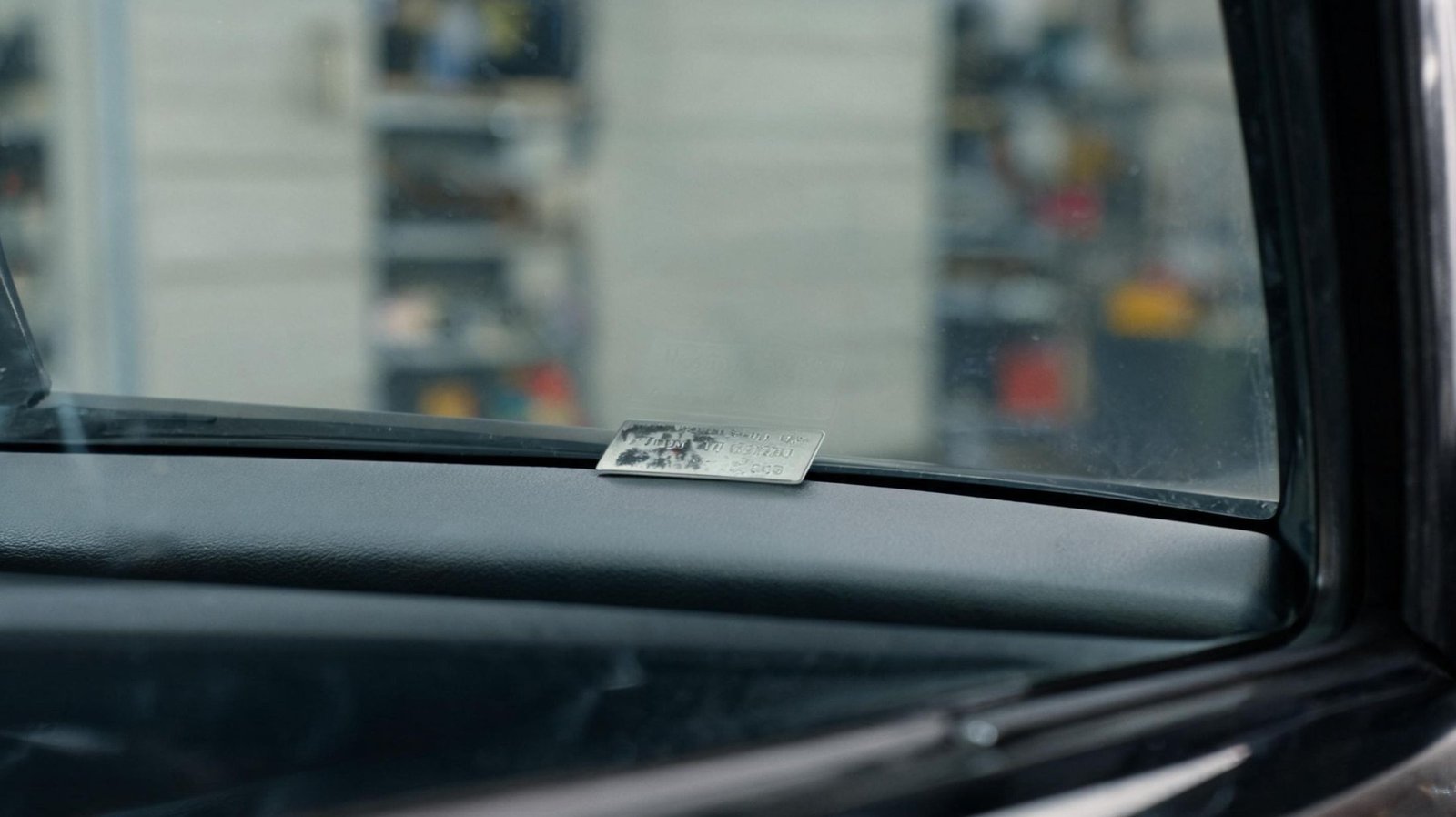
The VIN — vehicle identification number — is a 17-character identity for one specific vehicle, standardized so that any decoder can read the country, manufacturer, model year, plant and build details from it. It is unique to your car, and it appears on the door jamb label, the windshield plate, and every registration document you own.
Think of the VIN as the car's fingerprint plus its birth certificate. The first characters identify the manufacturer and region; one position carries the engine type for most makes; others cover the model, body, year and assembly plant; the tail is a serial that makes this car different from every other one ever built. Manufacturers have used the format for decades, so a reliable decode is always a few keystrokes away.
What the VIN does not do is spell out your engine code letter for letter. Its engine position identifies the family the car was built with, and the compliance label and build sheet carry the finer detail. That is why every serious seller asks for a VIN photo and a code photo — the first anchors the build, the second confirms the engine.
A quick note on paperwork reality: the VIN is also the identifier that registration, insurance and service records track. When you eventually sell the vehicle, or when a claims team opens a file, the VIN is what ties every document together.
How is the VIN connected to the engine code?
The VIN encodes the engine family for your exact build — for many manufacturers the eighth character is the engine-type digit — and a decoder turns that into the family name. The stamped code on the block then confirms the exact version. The two are connected the way a house address and a floor plan are: one locates, the other specifies.
When our desk reads your photos, the two keys get used in a fixed order. First the VIN decode, through the NHTSA VIN decoder — what was this vehicle built as? Then the code photo — what engine is actually sitting in it? When those two agree, the interchange list opens up: the model years and platforms that share this exact engine.
The connection matters most when something has changed since the factory. An engine swap, a replacement head, a listing from a different market — each one can break the link between the VIN and what is physically under the hood. That is not a problem to panic about; it is a problem to check, which is exactly what the three-way check does.
| Attribute | Engine code | VIN |
|---|---|---|
| What it identifies | One engine design (family + version) | One specific vehicle, build and all |
| Format | Short manufacturer code — B48, EA888, L83, 2GR-FE | 17 characters: letters and digits, fixed positions |
| Where it lives | Stamped block pad, engine sticker, build sticker | Door jamb label, windshield plate, registration |
| Uniqueness | Shared by every vehicle with that engine | Unique to your car — no duplicates |
| Primary use | Fitment, pricing, warranty | Build decode, paperwork, verification |
| What changes it | Only a different engine design | Never — it follows the vehicle for life |
What does each identifier actually get used for?
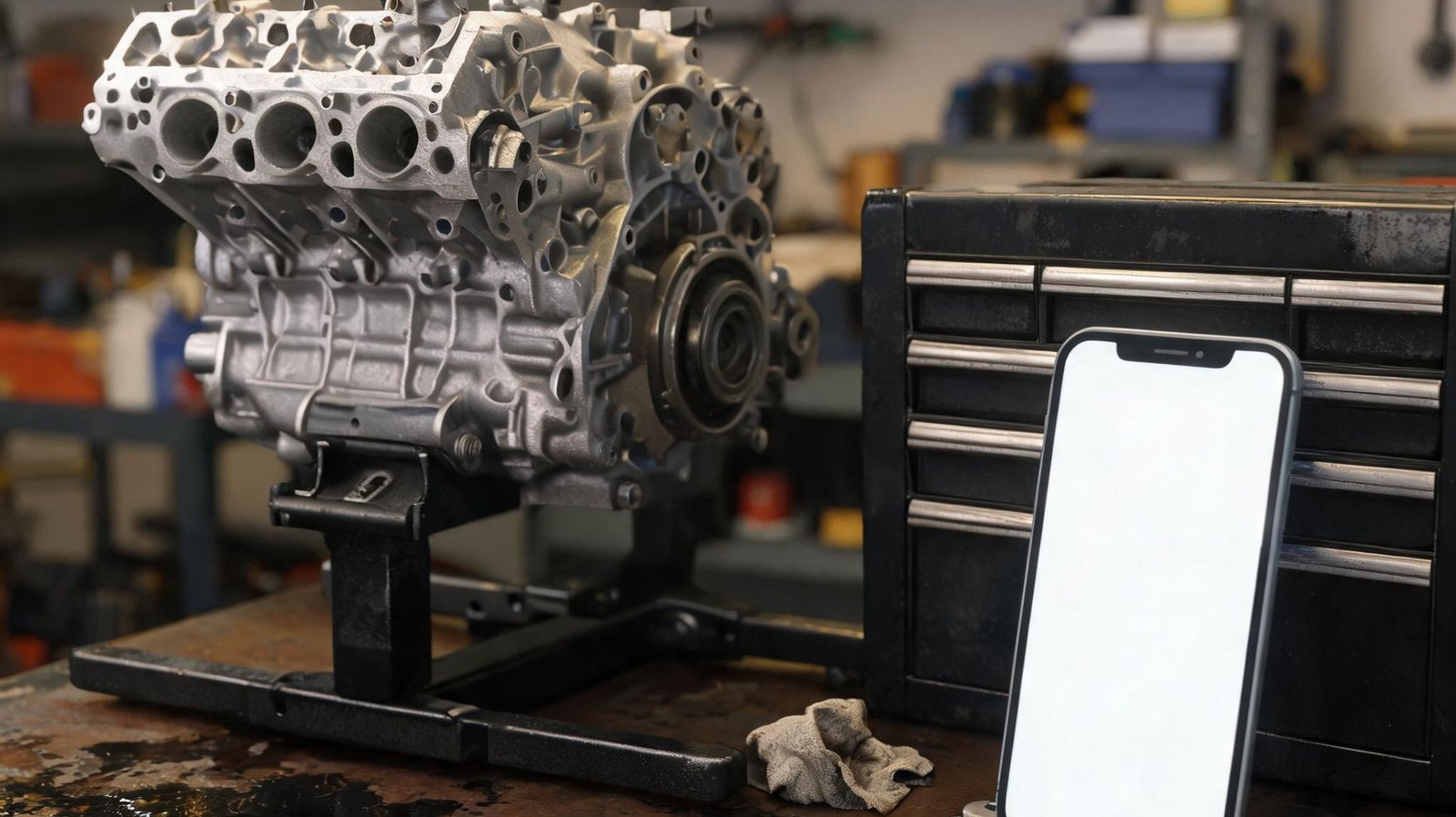
In practice the two split every task between them: the code drives everything about the engine, and the VIN drives everything about the vehicle. Knowing which task belongs to which key is what keeps quotes, orders and paperwork pointing at the same machine.
Engine-side tasks all run on the code. Choosing between used, reconditioned and remanufactured units: code. Checking an interchange list or a fitment note: code. Pricing the nine options our desk sends: code. Filing a warranty claim down the road: the code on the unit's label, matched against the file.
Vehicle-side tasks all run on the VIN. Decoding what the factory built: VIN. Registration, insurance and history reports: VIN. Confirming a unit will suit your specific car — not just any car with that engine — is where both meet, which is why our order sheet carries a field for each.
Which one do I give a supplier when ordering an engine?
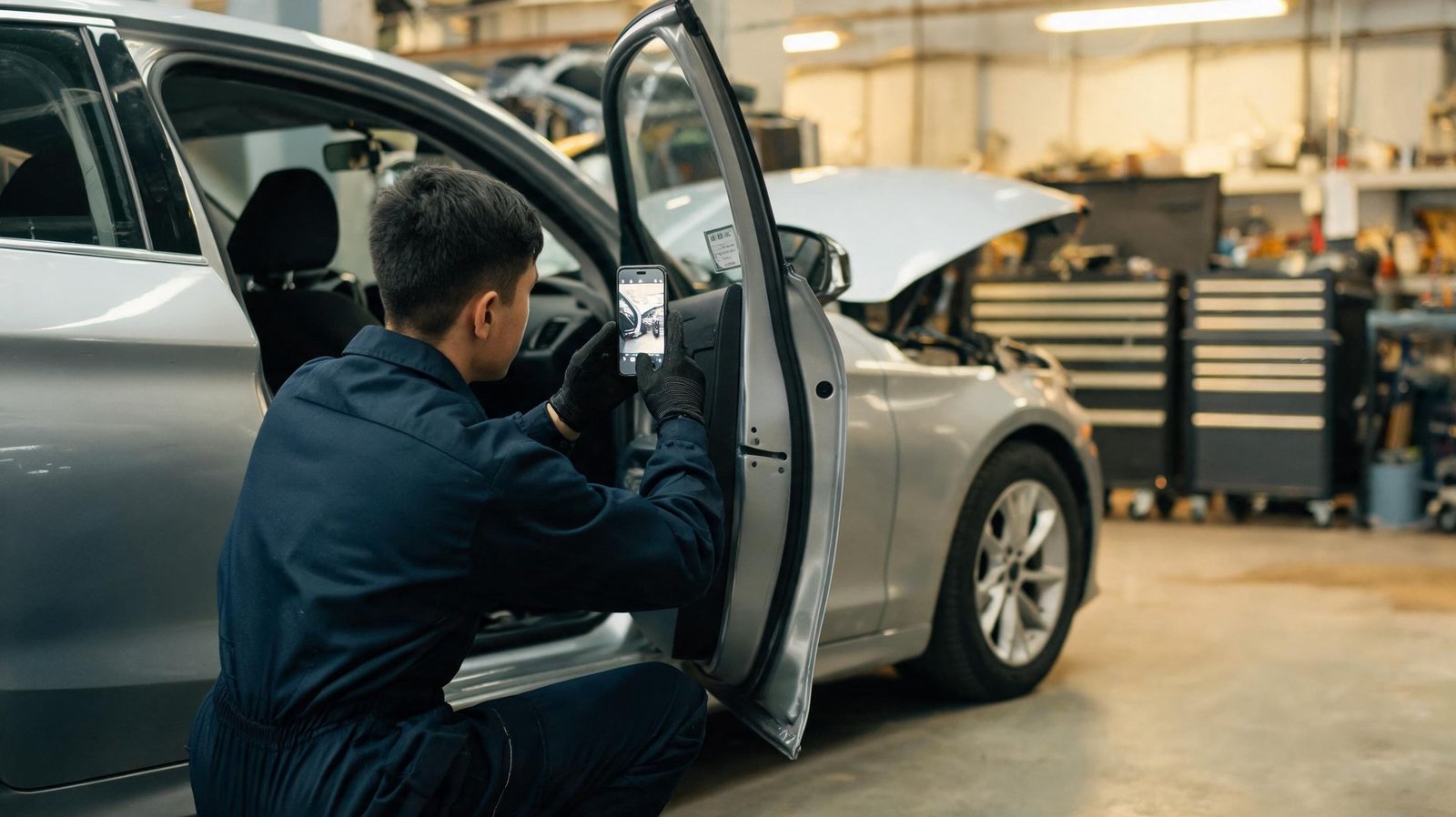
Send both — the code is what the order is built on, and the VIN is what confirms it. Four photos do the job: the code close-up, a wide shot showing where it sits, the door-jamb VIN label, and the odometer.
If you must choose one, the code is the ordering key — but a serious supplier will ask for the VIN anyway, because the build decode catches traps that a code alone cannot: market packages, emissions variants and model-year transitions that share a code but not every part around it. A VIN number check against the paperwork is also how a desk spots mismatched documentation before it becomes a shipping problem.
This is the same intake our desk uses every day, and it takes minutes. Photograph, send, and let the confirmation happen before freight — not after.
| Photo | Where | What it unlocks |
|---|---|---|
| Code close-up | Machined pad on the block, raking light | The exact design and version being ordered |
| Wide location shot | Everything around the code — mounts, covers, ancillaries | Confirms the spot if the stamping is faint or ambiguous |
| VIN label | Door jamb — whole sticker in frame | The build decode and the vehicle identity for paperwork |
| Odometer | Cluster, engine running if possible | Context for the quote and the core conversation |
Can a VIN tell me my engine code directly?
Almost — the VIN tells you the engine family your vehicle was built with, and for most manufacturers the eighth character is the engine-type digit. What it does not hand you is the full stamped code with its version suffix; that last step needs the label, the block pad or a dealer decode.
Run the VIN through the NHTSA VIN decoder and you get the engine details the factory recorded — displacement, cylinders, sometimes the family name. That is an engine code lookup in the broad sense, and it is the right first move. From there, the block pad confirms the exact variant, because two vehicles with the same family engine can still carry different suffixes.
When the two disagree — say the decode says one family and the sticker says another — do not average the answers or trust the easier one. That is a signal to slow down: it usually means a swapped engine, a replaced cover, or paperwork from a different car. The desk resolves these cases with the same photos every time, and the resolution matters because the suffix is what the order rides on. If that discovery has you weighing a different engine code entirely, the engine swap compatibility guide walks the mounts-electronics-emissions order.
Where does the engine number fit into all this?
A third identifier: the engine number is the unique serial for one physical engine, stamped on the block and recorded on registration documents. It is the unit's fingerprint — used for theft checks, registration and insurance — not for fitment.
The three keys in one line: the code says what design, the engine number says which individual unit, and the VIN says which vehicle. A salvage seller quoting a specific engine will give you the engine number; your state's paperwork tracks the same number against your VIN; and the fitment question — the one that decides the purchase — is answered by the code. When our claims team opens a file, all three appear on the same page.
If your registration lists an engine number that does not match the block in your car, that is worth understanding before you sell or swap anything — it usually means an engine replacement happened at some point, which is common and not inherently a problem, but it should match the story you tell a buyer.
What mistakes do buyers make with codes and VINs?
Three repeat offenders: ordering from a VIN alone and getting surprised by the suffix, reading a marketplace listing that shows neither identifier, and letting a sales promise replace the fitment check. Each one is easy to avoid and expensive to fix.
The VIN-only order is the classic. The decode says 'this family of engine' and the buyer hears 'this exact engine'. Then the suffix turns out different and the unit comes back. Our desk sees it every month, and it always ends the same way — a conversation about return freight that nobody enjoys.
The listing with no identifiers is the second trap. If a seller cannot show a code photo or a VIN to match against, you are buying a story, not an engine. The third trap is the smoothest: a confident claim that 'they all fit'. They do not — and the correct response is the same every time. Ask for the two photos, send them to a desk that runs the check, and let the answer decide the purchase.
What does a code-and-VIN mismatch actually cost?
If a wrong engine ships, return freight on a full unit typically runs $250–$600, a shop's remove-and-refit labour adds $400–$900, and downtime bills daily on top. The code-and-VIN check that prevents all of it takes five minutes and costs nothing.
The arithmetic is why every serious seller verifies before dispatch and why we keep repeating it on this side of the desk. A mismatch is not one cost — it is a stack: two freight bills, two rounds of labour, and the days in between with the vehicle sidelined. On a work truck or a family's only car, the downtime line is the one that stings the longest.
There is also a paperwork cost. When the unit's label does not match the file, core handling and warranty eligibility both get harder to run cleanly — the story stops matching the documents. One photo session at the start keeps every one of those lines at zero, which is the cheapest outcome in the entire trade.
| Item | Typical cost | Notes |
|---|---|---|
| Return freight, full engine | $250–$600 | Class and liftgate decide the number — you pay it twice per mistake |
| Shop remove-and-refit labour | $400–$900 | The second swap is pure loss |
| Vehicle downtime | $40–$90 per day | Rental or lost working days while the bay waits |
| Core handling friction | Varies | Mismatched build sheets complicate core credits |
| VIN decode with the NHTSA decoder | $0 | The build check takes a minute |
| Code-and-VIN confirmation with our desk | $0 | One photo session — the insurance that matters |
What do we supply once your code and VIN agree?
Used, reconditioned and remanufactured engines matched to your confirmed code and cross-checked against your VIN — never the other way around — with free insured freight USA-wide in 12–16 working days, plus transmissions on the same discipline.
On the truck side, we supply a used Ford F-150 engine for sale and a reconditioned Ford F-150 engine for sale, and platforms like the Chevrolet Silverado 1500 run through the identical two-key check. Every unit leaves as a complete long block unless you are specifically after a short block — compression-tested, and run-tested where the unit allows.
Gearboxes follow the same rule book: a used Ford F-150 transmission for sale or a reconditioned Ford F-150 transmission for sale ships against the same code-and-VIN paperwork, alongside the rest of the transmission catalogue.
- Compression-tested on the bench — run-tested where the unit allows
- 9/16/36 months warranty, whichever comes first — by condition tier
- Code matched AND VIN cross-checked before dispatch — both keys, every order
- Free insured freight, USA-wide, 12–16 working days
- Fitment desk, Mon–Sat 8AM–6PM — answers before you order, not after
What does A2Z Engines check when you send a code and a VIN?
The same two-key sequence every time: decode the VIN to the build, compare it against your code photos, run the interchange list, and label the unit with both identifiers before dispatch. When a suffix looks wrong, the order pauses — every time, without exception.
The desk reads your photos in a fixed order. The VIN decode first — what did the factory build? Then the code close-up — what is actually in the car? Then the wide shot, to confirm the pad we are reading is the pad we think it is. Only after all three agree does the interchange list open and the nine options get priced.
The textbook case from this month: a customer's VIN decode said the right family, but his code photo carried a different suffix than the first quote assumed. The pause cost him an afternoon; the correction saved him a return freighter, because the suffix moved the order to a unit with different mounting hardware. His replacement shipped labeled with both the code and the VIN, and his shop confirmed the match on the stand in under a minute.
That is the whole design: the confirmation happens before the freight. And if something still goes sideways later, the same label feeds the warranty cover and the claim path — the claims team starts from the same two keys.
- Decode the VIN — establish the factory build before trusting anything else
- Read the code photos — every character, suffixes included
- Confirm the location with the wide shot — make sure the pad is the pad
- Open the interchange list — which years and platforms share this exact engine
- Label the unit with both keys — and verify them again at dispatch
How do I confirm fitment before ordering?
Enter the VIN or the engine code on the quote page; you get nine options across three condition tiers and three warranty lengths, with both identifiers cross-matched before anything ships.
If either key is hard to read, send the photos anyway — the desk works from the VIN path and the block stamping together. The fitment check is the same one we run internally: two keys, nine options, nothing shipped on a guess.
- VIN or engine code entry — get your price in minutes
- Nine options: three condition tiers across three warranty lengths
- Both keys cross-matched before dispatch — confirmed, not assumed
- A real person on the fitment desk if either stamping is unreadable
What do these terms mean?
Plain-English definitions of the identifiers and paperwork terms in this guide, so the next conversation about your engine sounds fluent from the first sentence.
Engine Code — The manufacturer's short identifier for one engine design and version (B48, EA888, L83); the ordering key for any replacement.
VIN — Vehicle identification number; the 17-character identity of one specific vehicle, used to decode the build and anchor all paperwork.
VIN Decode — Reading a VIN's fixed positions to identify manufacturer, model year, plant and engine family; the NHTSA decoder does this free.
Compliance Label — The door-jamb sticker carrying the VIN and build details; the fastest place to photograph your vehicle's identity.
Build Sheet — The factory record of what one vehicle was built with — including the engine — often replicated on glovebox stickers like GM's RPO list.
Engine Number — The unique serial of one physical engine; used for registration, insurance and theft checks rather than fitment.
Interchange — The verified list of model years and platforms that share the same engine; the desk's tool for safe fitment across years.
Where do these figures come from, and where can I verify them?
The checks and price ranges follow standard trade practice and the public resources below. You can verify the background yourself:
Ranges are typical US independent-workshop figures and our own condition and warranty tiers — planning guidance, not a quote for your vehicle. A2Z Engines is the trading brand of QB AUTOZ LLC, a Mississippi-registered supplier — the company record is on our about page.
- NHTSA VIN decoder — decode your exact build and engine family by VIN
- EPA vehicle and fuel emissions testing — how emissions rules create engine variants within one family
- FuelEconomy.gov — official data that separates drivetrain and engine configurations
- Engine code index — our own lookup of the codes we supply, with prices
Which related guides should I read next?
These are the guides we hand to customers at the end of this conversation — each one picks up a thread from this post and finishes it.
- How Do I Find My Engine Code? — the five-minute routine for locating the code on any car.
- What Does a P0301 Misfire Code Actually Prove? — a fault code is a third kind of code entirely; here is how it differs.
- Rod Knock or Lifter Tick: How Do I Tell? — when a noise sends you shopping for a replacement engine.
- Explore the site: shop by make · engine code index · used engines · transmissions — every unit fitment-checked before dispatch.
- Ready for numbers? Get your price — nine options across three condition tiers — or search the full catalogue; more guides live on the blog index.
Frequently asked questions
Is the VIN the same as the engine code?
No — they are two different identifiers doing two different jobs. The engine code names the engine design (B48, EA888, L83) and decides fitment, pricing and warranty. The VIN is the 17-character identity of one specific vehicle; it encodes the engine family your car was built with and anchors registration, insurance and build paperwork. When you order a replacement, the code is the ordering key and the VIN is the verification key.
Does the VIN contain my engine code?
The VIN encodes the engine family, not the full stamped code — for most manufacturers the eighth character is the engine-type digit. A free decode through the NHTSA VIN decoder returns the engine details the factory recorded for your build. The exact code with its version suffix still needs the block pad, the label or a dealer decode, because two vehicles with the same family engine can carry different suffixes.
Which is more important when buying an engine?
The code is what the order is built on, but a serious seller will want both. Code-only orders miss market, emissions and model-year traps that the VIN decode catches; VIN-only orders miss the suffix that is stamped on the block. Our desk runs the two-key check on every order for exactly that reason — and it is free when you send photos.
Can two cars have the same VIN?
No — a VIN is unique to one vehicle for life. What does exist is VIN cloning: stolen or rebuilt vehicles carrying a copied identity, which is why paperwork checks matter when buying privately. Matching the door-jamb label, the windshield plate and the registration against each other is the quickest first check; a proper history report covers the rest.
Where do I find each identifier on my car?
VIN: the door-jamb compliance label, the windshield-base plate, and every registration or insurance document. Engine code: the machined pad on the cylinder block, stickers on the engine or in the bay, and the glovebox build sticker on many makes. Engine number: stamped on the block and recorded on registration paperwork. Photograph the door label and the block pad, and you have covered the essentials.
What if the VIN decode and the block stamping disagree?
Treat it as a pause, not a puzzle to solve by picking a favorite. A disagreement usually means a swapped engine, a replaced cover that took its sticker with it, or paperwork from a different vehicle — all common, all checkable. Send both photos plus the wide location shot to our desk; we resolve these with the same three-way check we run before dispatch. Solving it properly is what keeps the order correct.
Is a VIN check enough when buying a used car?
It is a strong start — a decode confirms the build, and a history report covers ownership and title events. But if the question is 'what engine is in this car?', the VIN only gets you to the family. For any engine-specific decision — a replacement quote, a swap, a salvage purchase — pair the VIN with the code photo from the block. The two together are the full answer.
Why do parts counters and dealers ask for my VIN?
Because the VIN locks in the exact build — not just the model, but the engine, drivetrain and options that came from the factory. It prevents the catalogue from serving you a part for a different trim. We ask for the same reason, plus one more: matching the VIN against the engine code you are ordering is how a replacement unit gets verified before freight.
What photos should I send to your desk?
Four shots cover everything: the whole door-jamb VIN label, a close-up of the engine code with light raking across the characters, a wide photo showing where that code sits on the engine, and the odometer. Under a megabyte in total, and it lets us run the decode, confirm the code and price the nine matching options without a single back-and-forth.
What happens if the identifiers disagree when the unit arrives?
It should not happen — the two-key check runs before dispatch, and every unit ships labeled with the code and VIN we matched. If something still looks off on delivery, stop before installation and call the desk with photos of the label and your VIN plate. That keeps the warranty cover and the claim path clean, and it is resolved long before labour hours pile up.
What warranty comes with a replacement engine?
Every tier carries cover: 9 months on used, 16 on reconditioned, 36 on remanufactured — 9/16/36 months, whichever comes first. Warranty starts at delivery, claims get a written 48-hour decision once the file is complete, and the file starts with the same two keys this guide is about: your engine code and your VIN, matched on the unit's label. Full terms live on the warranty page.
Check your fitment and see nine price options
Enter your VIN or engine code — we match the unit to your vehicle before any price is shown. Nine options means three condition tiers across three warranty lengths.
Get my price Call +1 (662) 452-4928