
VIN Engine Identification: How Do I Use My VIN to Identify the Right Engine?
VIN engine identification answers one question the block alone sometimes can't: what engine did this vehicle leave the factory with? Your 17-character VIN
Diagnosis, fitment and cost guides written by our certified technicians — the same checks our fitment desk runs every day.
VIN engine identification answers one question the block alone sometimes can't: what engine did this vehicle leave the factory with? Your 17-character VIN
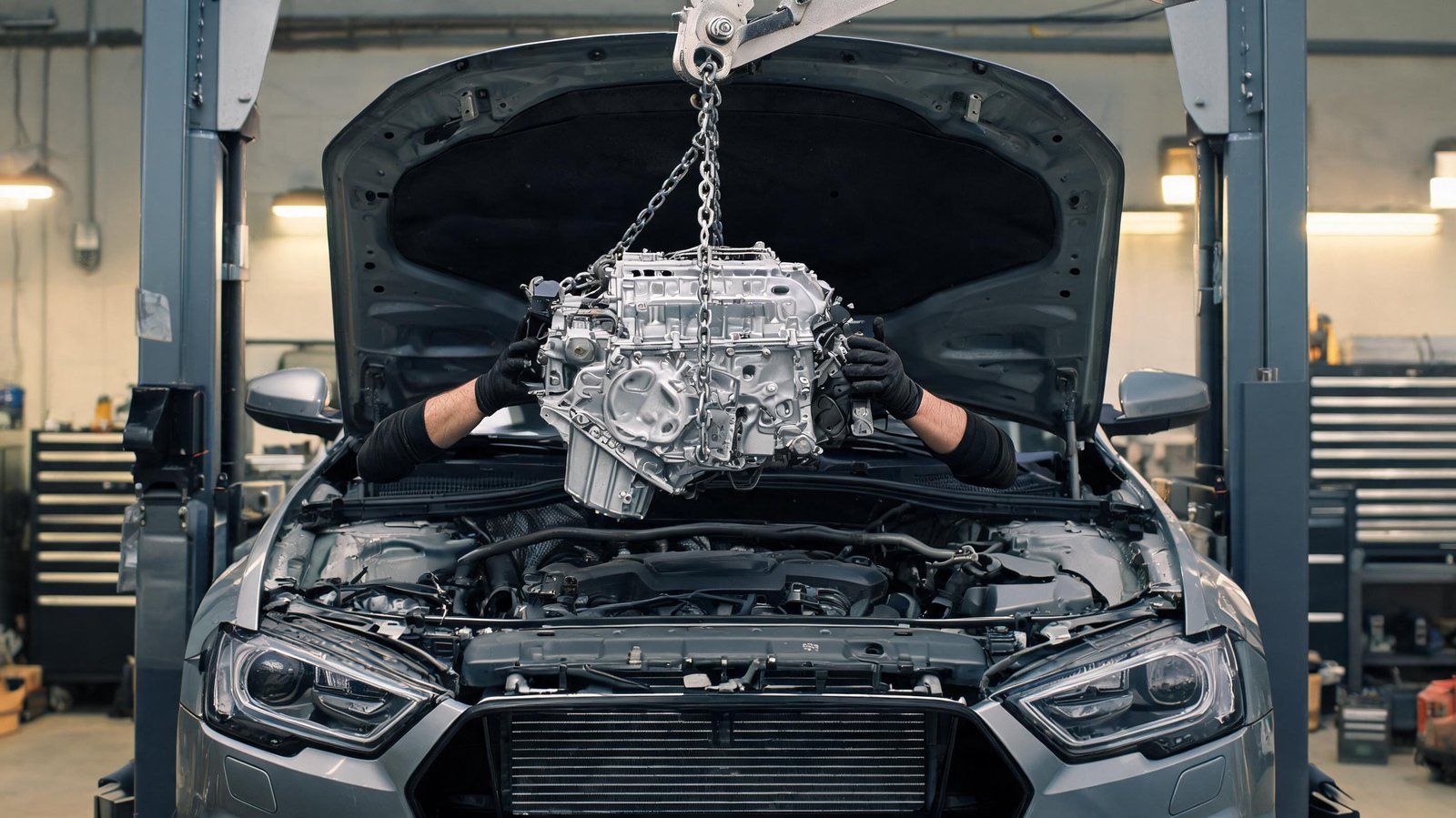
Short answer: yes — swapping a different engine code into the same model is possible, but engine swap compatibility is decided by three things: the
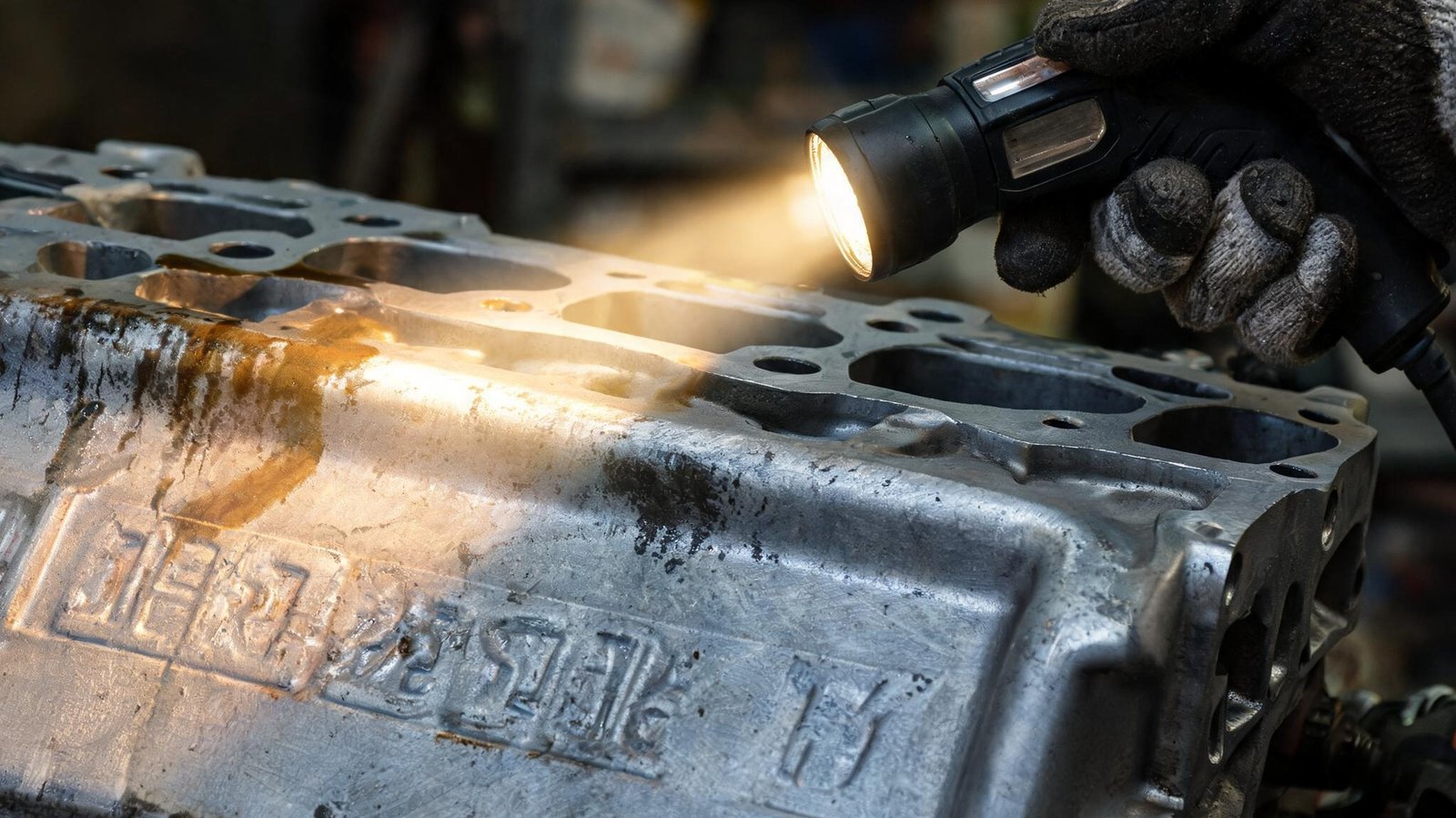
An engine code is the manufacturer's short identifier for one exact engine design and version — B48, EA888, L83 — stamped on the block and repeated on

An engine code names one engine design — B48, EA888, L83 — and decides what fits and what it costs. A VIN is your vehicle's 17-character identity; it
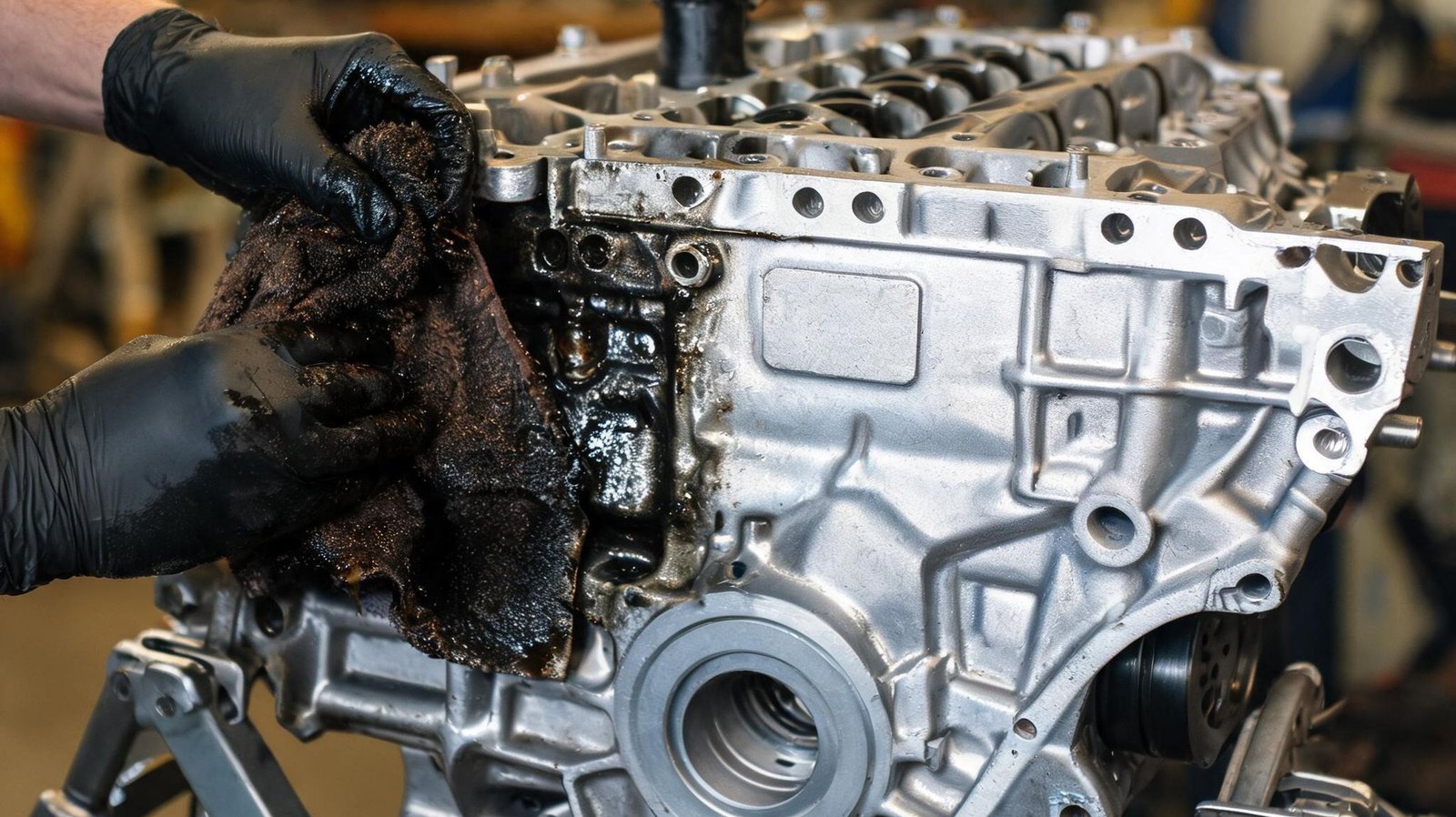
An engine code is the manufacturer's short identifier for one specific engine design — B48, EA888, LSY — and it is what actually decides whether a
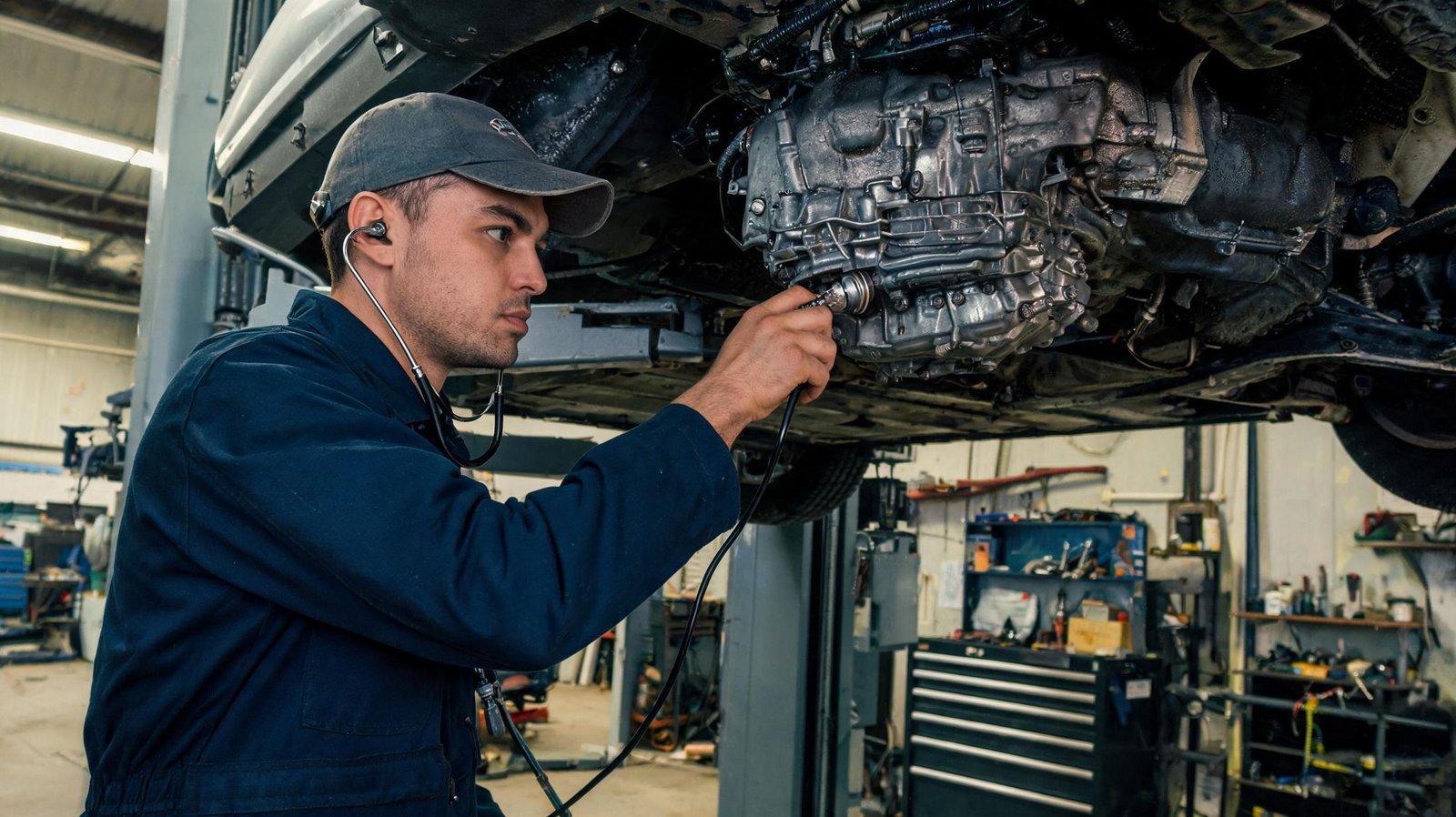
Rod knock is a deep, hollow thud from the bottom end that worsens as the oil warms and sharpens under load — a bearing-wear emergency. Lifter tick is a
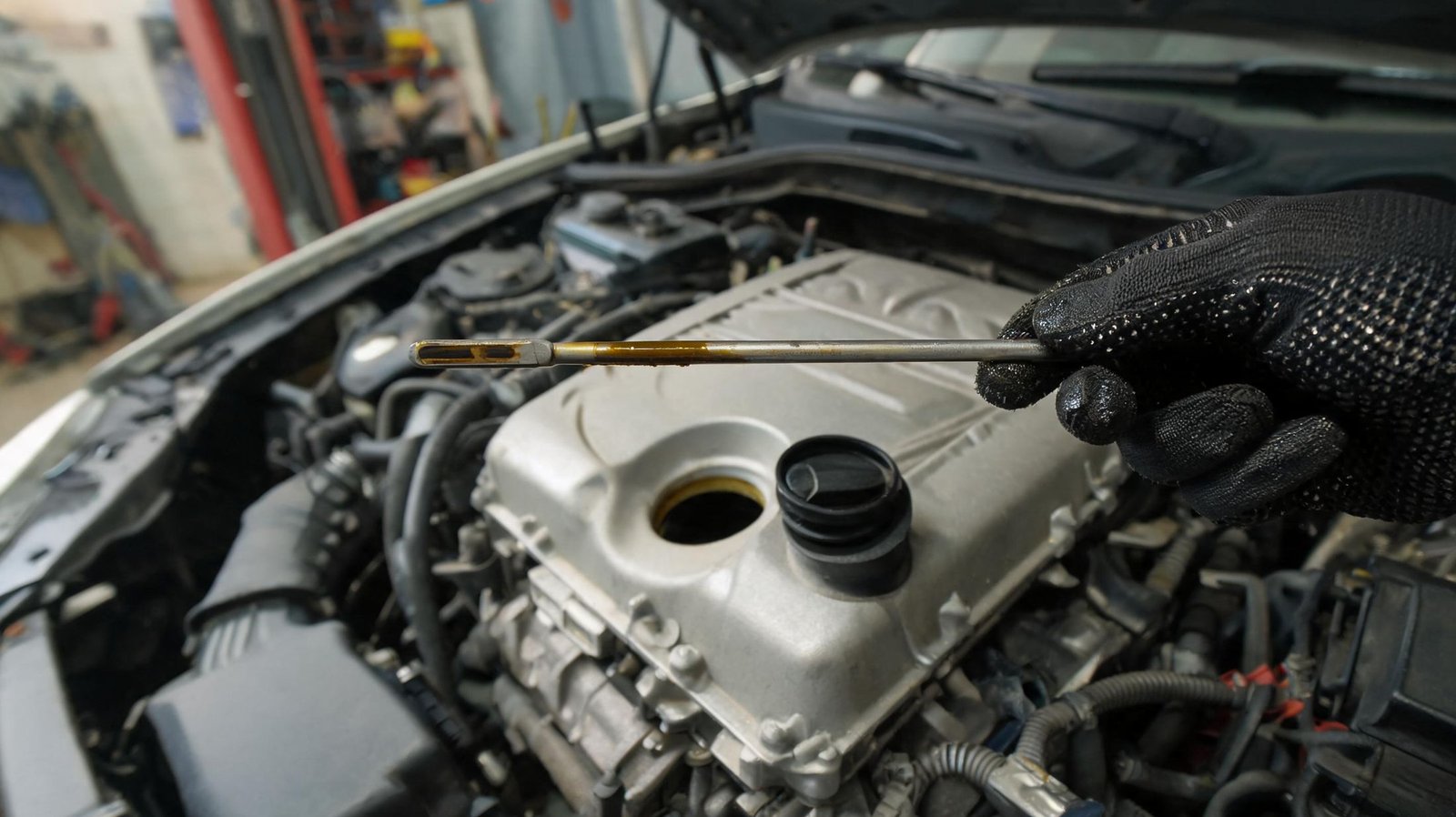
Most manufacturers accept up to roughly one quart per 1,000 miles as normal, and some European handbooks allow more. The useful answer is not the number

Engine overheating after replacement is usually an air lock in the cooling system, a thermostat fitted the wrong way round, an unplugged fan, or a
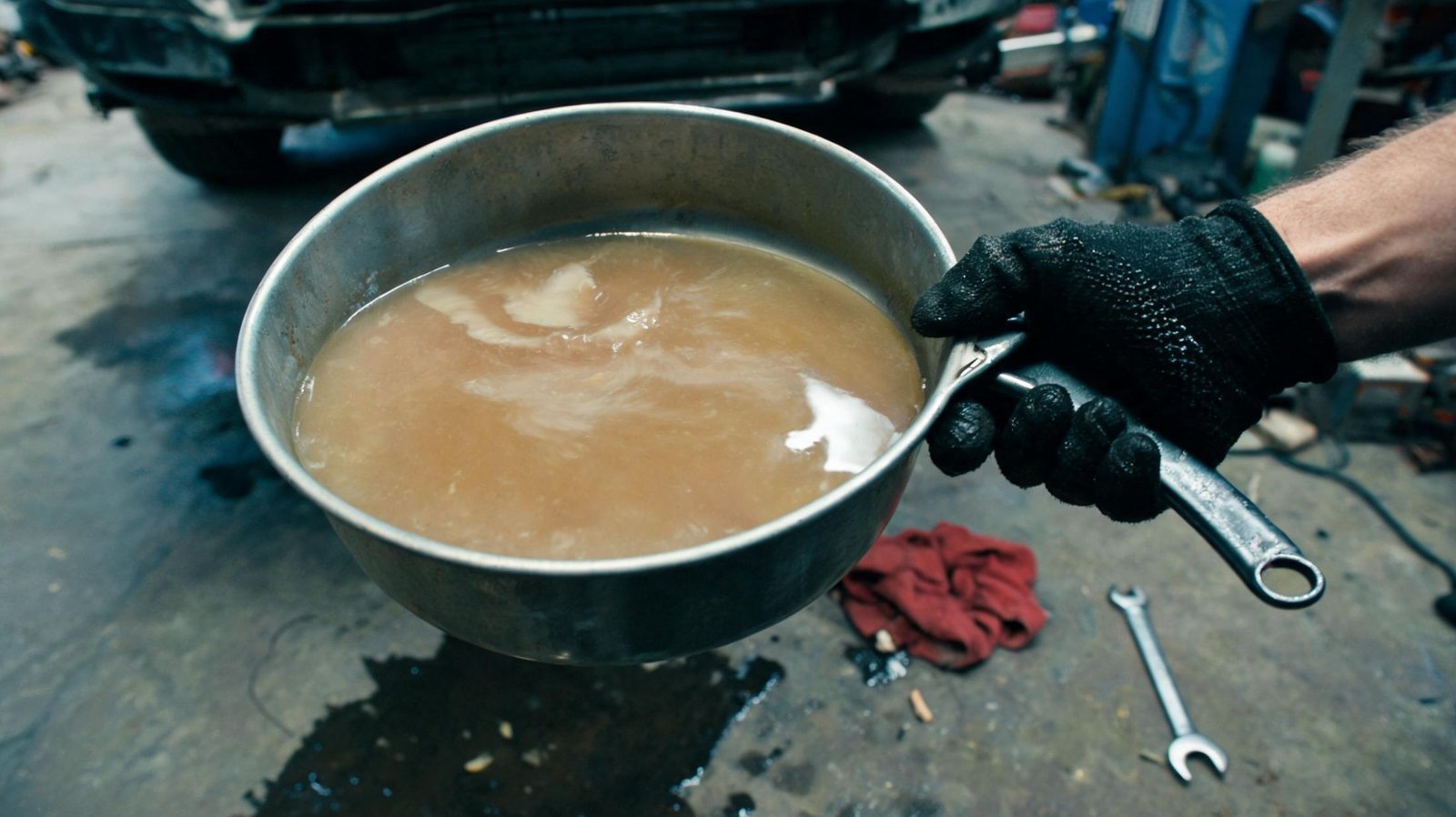
Coolant in the oil means the two systems have found a way to mix. The usual culprits are a failed head gasket, a cracked head or block, a leaking oil
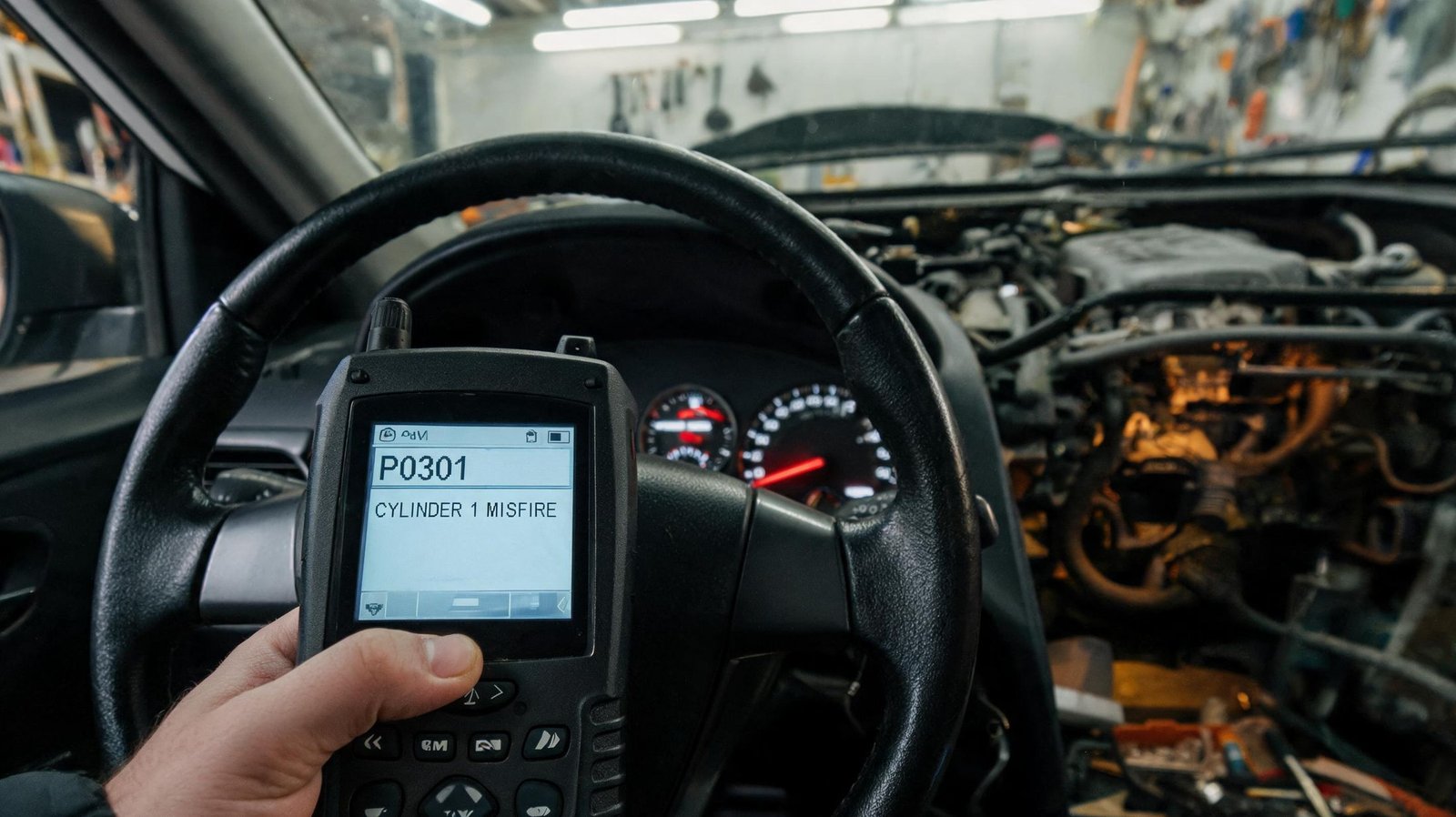
A P0301 misfire proves one thing: cylinder 1 is not contributing its share of power. It does not prove why. Roughly four in five P0301 codes we see are
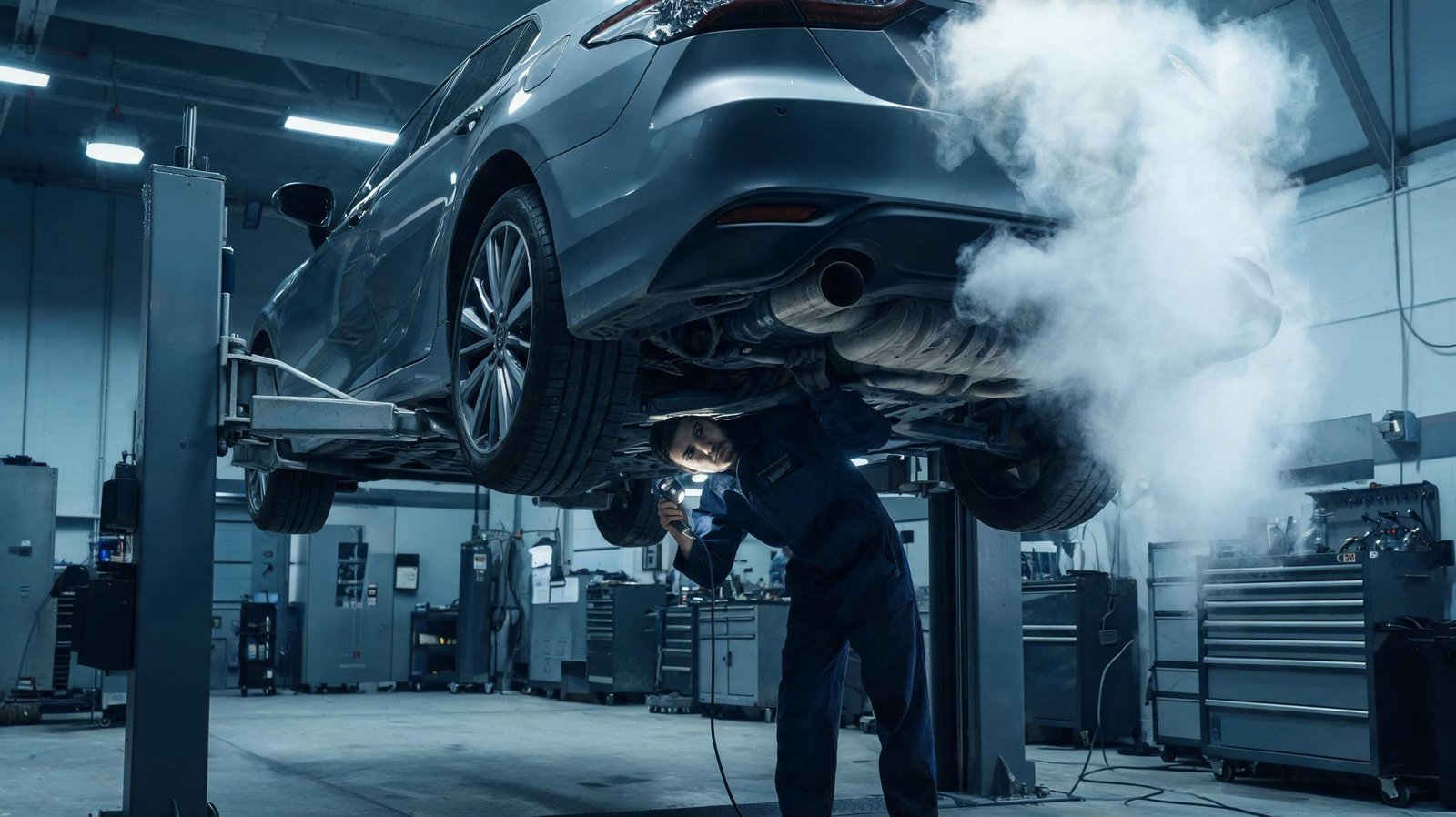
White smoke from exhaust with coolant loss and no visible leak is the classic head-gasket signature, but the same symptoms come from a cracked head, a

Blue smoke from exhaust means the engine is burning oil. If it appears only on start-up and then clears, the usual causes are worn valve-stem seals or a
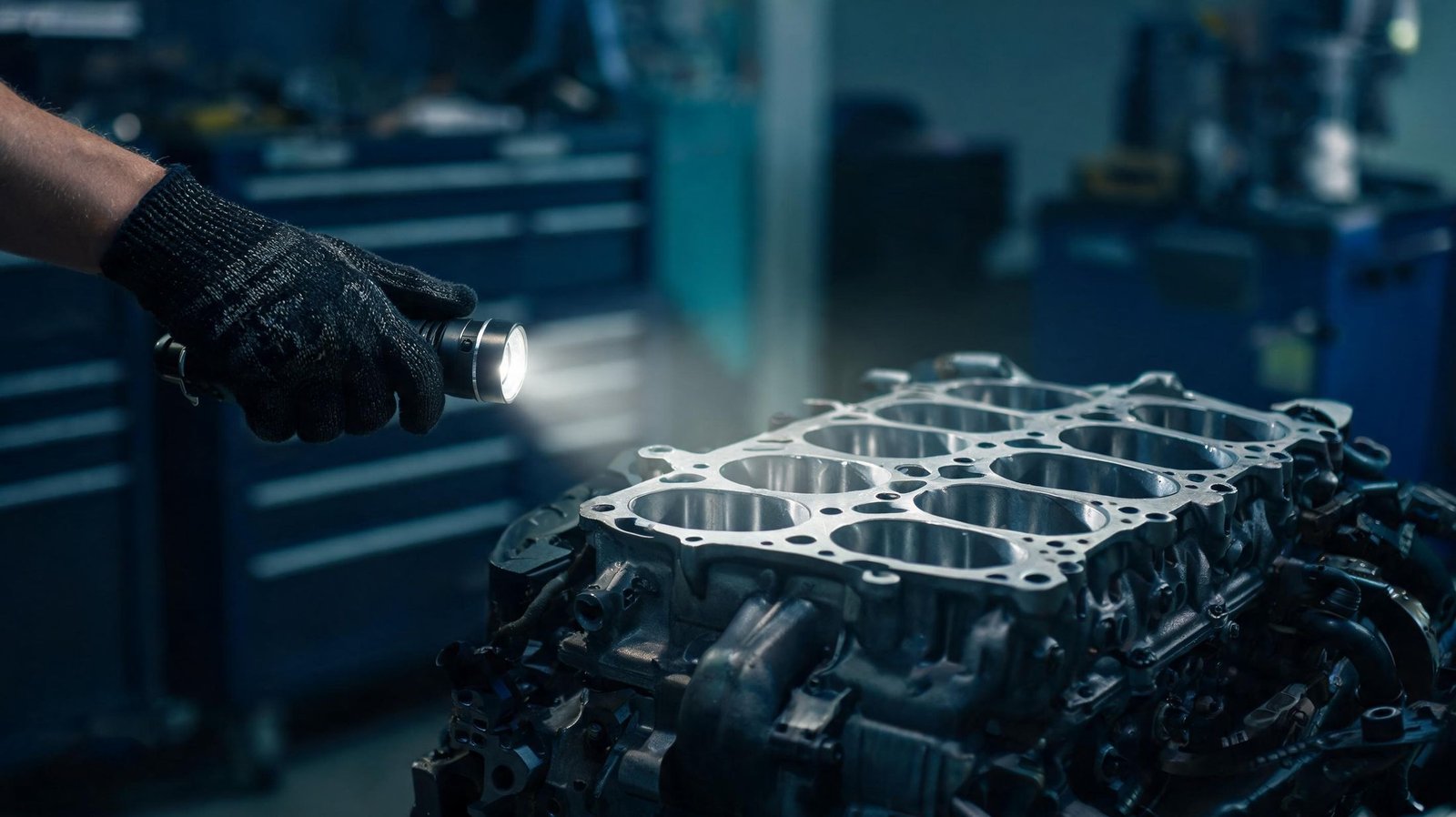
Engine knocking when accelerating is usually spark knock (detonation) caused by low-octane fuel, carbon build-up, or a faulty knock sensor — but if the